


The Privet Hedge
Structure, shelter and new beginnings
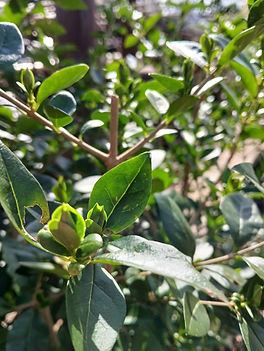
One of the older structural elements in the Reverie is a long privet hedge (Ligustrum), once growing well over three metres high.
In recent years the hedge has gradually been rejuvenated and lowered through careful annual pruning each November, allowing more light to reach the surrounding garden.
At nearly a metre thick, the hedge provides valuable shelter for many garden birds, which use it for nesting and protection throughout the year. When the privet flowers in early summer, the hedge becomes a lively feeding ground for insects, attracting butterflies, bees and hoverflies in large numbers.
Rather than discarding the pruning material, many of the cut branches are used for propagation. In early winter, Privet cuttings are placed in small pots behind the hedge, where they receive light but remain protected from direct sun. Over winter and spring they develop roots and can later be planted elsewhere in the garden to form new hedges. Privet cuttings root successfully in roughly 70–80% of cases.
In the same sheltered spot, cuttings of Butterfly bush are taken in spring. These prove even more generous: almost every cutting develops into a new plant, and a single pruned branch can produce several new shrubs, not only useful in the garden itself, but also fun to share with friends and neighbours.


Main plant species
Privet hedge
Propagation cuttings from:
Privet
Butterfly bush